LiveChat: review, pricing and alternatives
What is LiveChat?
When you're running a business and constantly looking for ways to connect with your customers more effectively, you inevitably stumble upon live chat solutions. For me, LiveChat has always stood out as a premium contender in this space. It’s not just a simple chat widget; it’s a comprehensive customer service and sales engagement platform designed to facilitate real-time interaction between businesses and their website visitors. Its core purpose, as I see it, is twofold: to streamline customer support by providing immediate answers and to boost sales by engaging prospects at critical points in their buying journey.
LiveChat has been around for a while, establishing itself as a reputable and reliable company in the customer service software market. It's built for businesses that understand the value of instant communication and want to leverage it to turn website visitors into loyal customers. From its inception, the platform has aimed to be more than just a communication tool; it strives to be an integral part of a company's sales and support ecosystem.
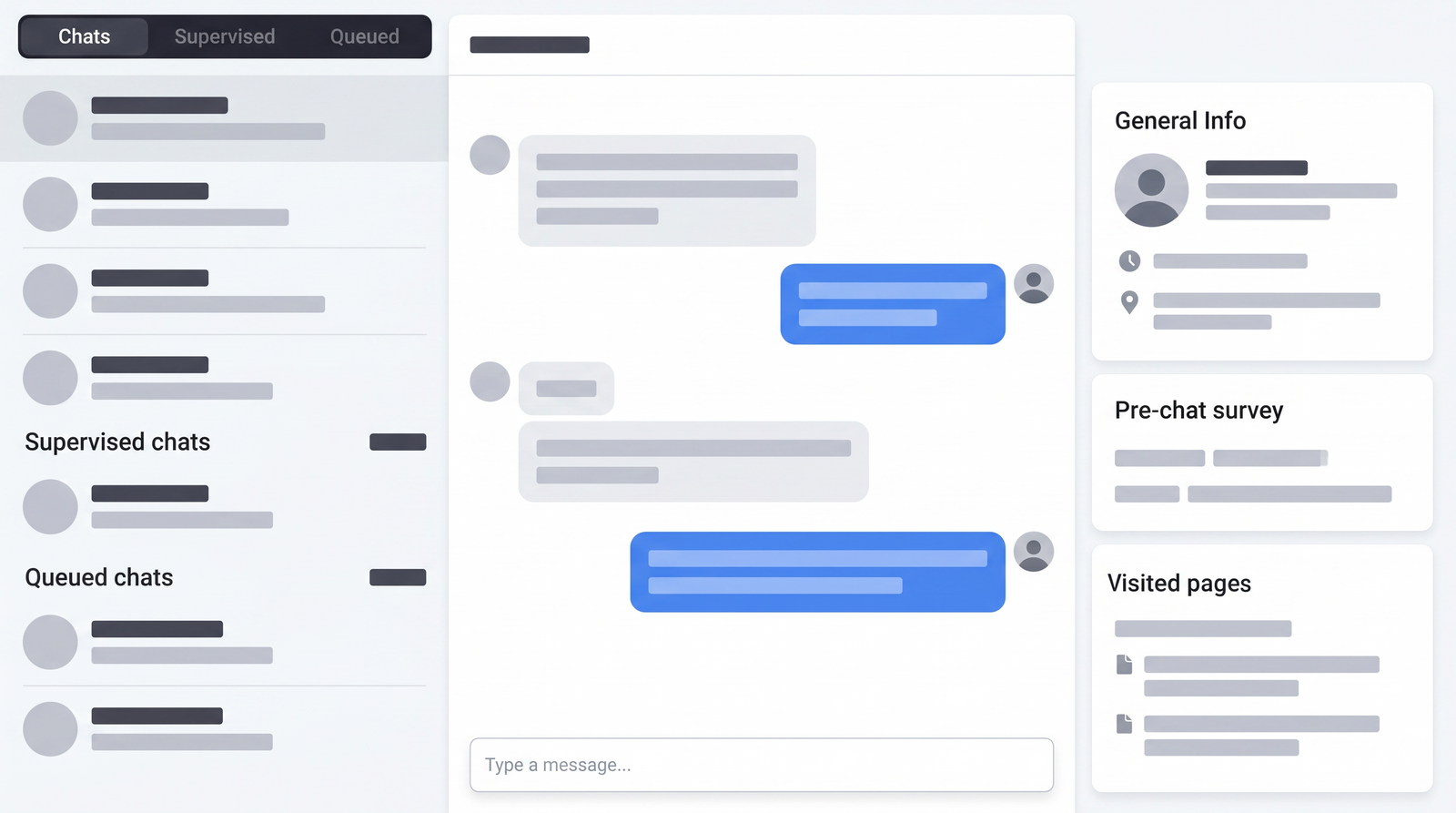
In my experience, LiveChat positions itself as a robust solution for proactive engagement. It allows you to initiate conversations, answer questions, and guide visitors through your site, effectively replicating the in-store experience online. This focus on immediate, personal interaction is what defines LiveChat and sets the stage for its suite of features.
Key Features & Capabilities
Diving into LiveChat's feature set, you quickly realize why it's considered a premium platform. At its heart, of course, is the real-time chat functionality, which is incredibly responsive and allows for seamless conversations. But it's the surrounding ecosystem of tools that truly enhances its power. One feature I particularly appreciate is the proactive chat invitations. This isn't just about waiting for customers to ask questions; it allows you to set up rules to automatically invite visitors to chat based on their behavior, like spending a certain amount of time on a specific page or attempting to leave your site. This can be a game-changer for sales conversion.
Beyond immediate engagement, LiveChat provides powerful analytical and reporting tools. You can track agent performance, chat satisfaction, visitor origins, and even measure the impact of chats on sales. These detailed performance reports are crucial for optimizing your customer service strategy and demonstrating ROI. The platform also boasts extensive integrations with a wide array of CRMs, marketing automation platforms, and other business tools, making it easy to weave LiveChat into your existing tech stack. This omnichannel capability means you can manage interactions across various channels, centralizing your communication efforts.
When it comes to AI support, LiveChat takes an interesting approach. While it does offer AI-powered customer responses and initial automation capabilities, it's important to understand that true, advanced AI automation often requires a separate, dedicated subscription to their ChatBot product. This means that while the core LiveChat platform can provide some AI assistance, such as canned responses or basic routing, sophisticated, self-service chatbots that handle complex queries are typically a distinct, additional investment. This fragmentation can be a point of consideration, especially if you're looking for an all-in-one AI solution without extra costs.
Ease of Use and User Experience
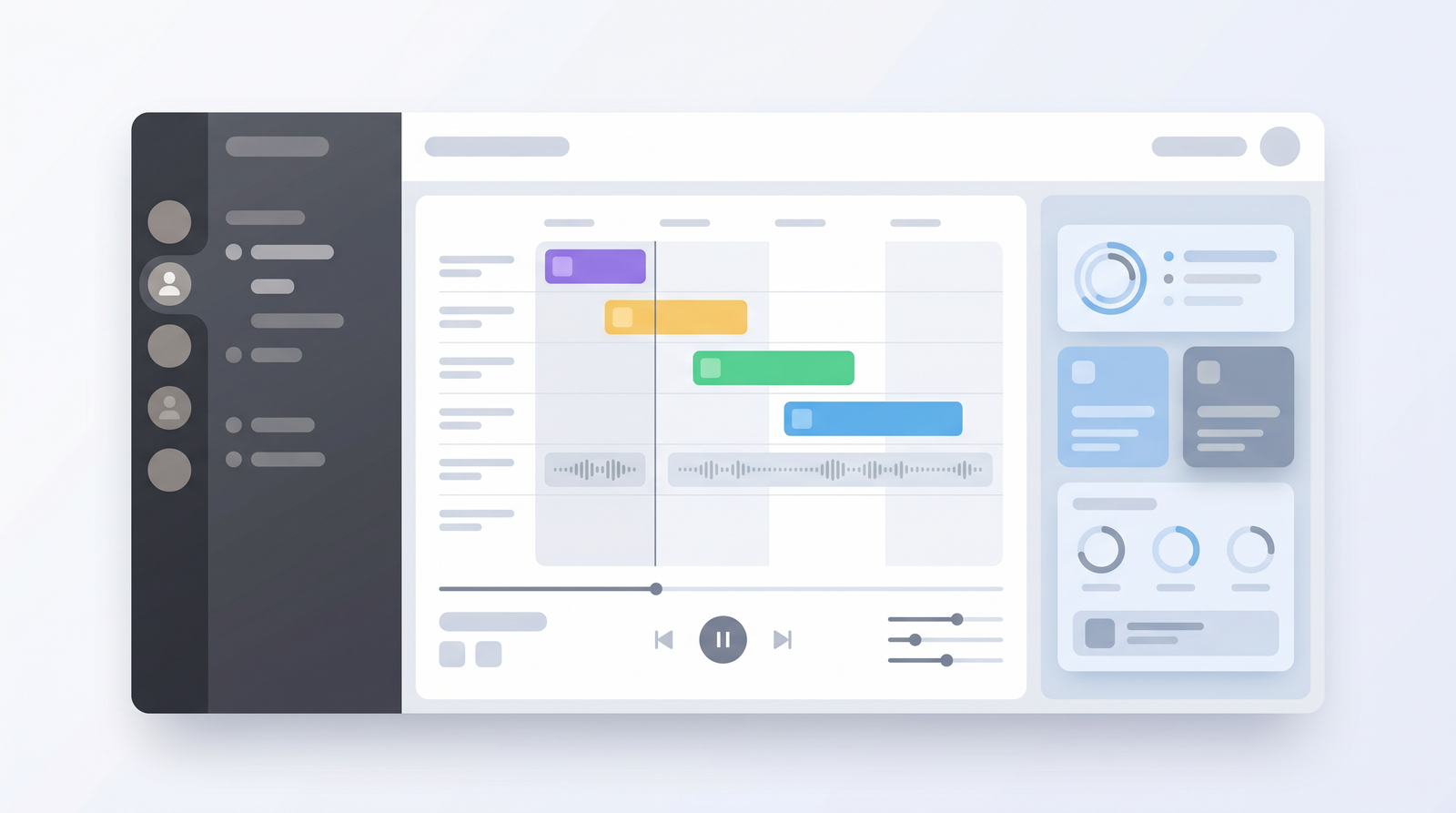
One of the first things that struck me about LiveChat is how intuitive the agent dashboard is. When I first opened it, I found it remarkably easy to navigate, even with its comprehensive set of features. The layout is clean, and the most important functions – managing chats, viewing visitor information, accessing canned responses – are readily accessible. This simplicity contributes significantly to a fast learning curve for new users, allowing teams to get up and running quickly without extensive training.
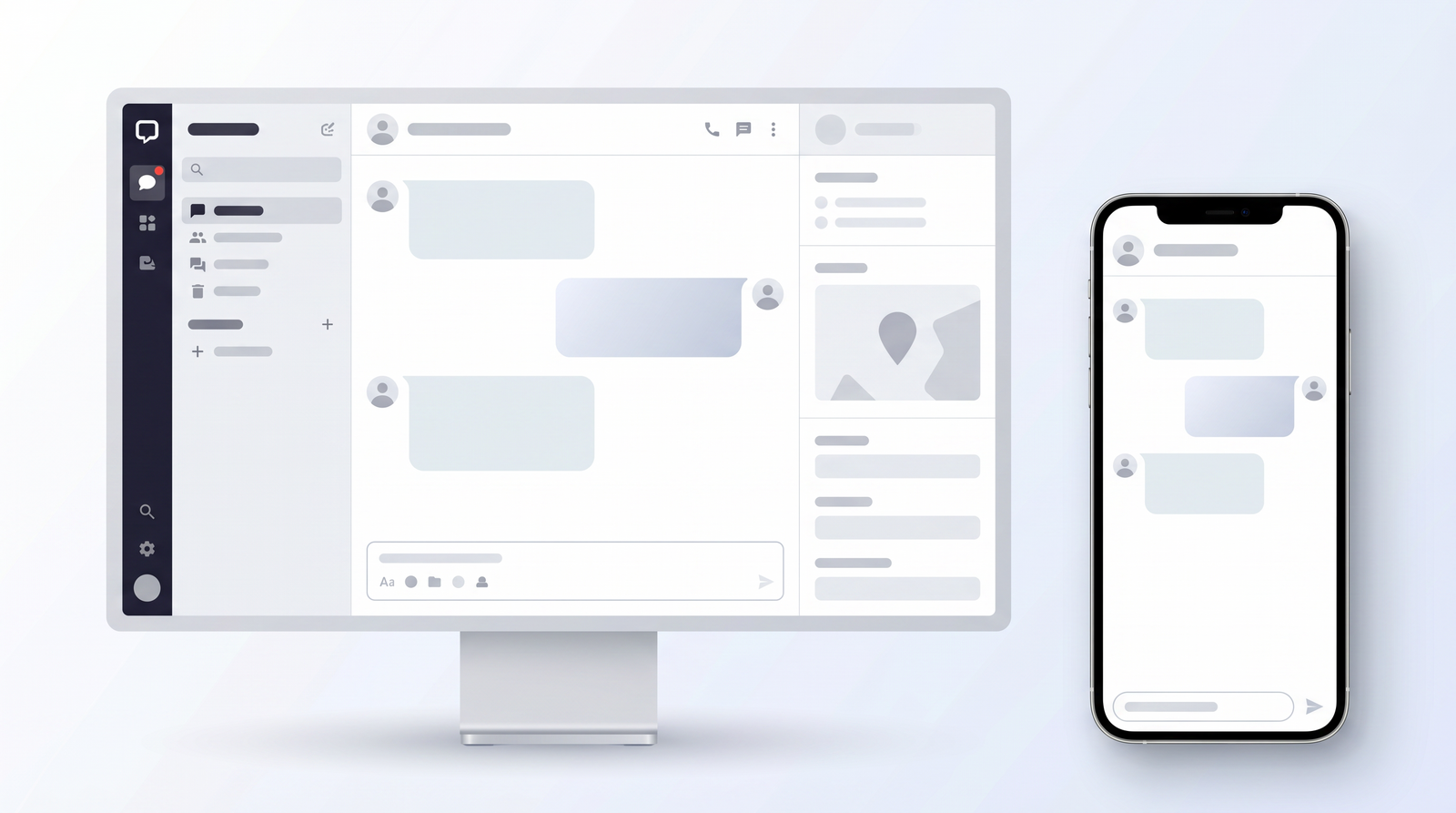
Setting up LiveChat on your website is generally a straightforward process, often just requiring the insertion of a small snippet of code. This ease of implementation means you can start engaging with customers almost immediately. For agents on the move, the mobile app functionality is a huge plus. I've personally found it incredibly useful for staying connected and responding to inquiries even when I'm away from my desk. It mirrors the desktop experience well, ensuring consistent service delivery regardless of location.
While the core chat experience and agent dashboard are widely praised for their ease of use, some users, particularly beginners, might initially find the sheer depth of features and customization options a bit overwhelming. However, this is more a testament to its versatility than a flaw in its design. Once you get past the initial exploration, the system feels solid and reliable, helping teams respond faster and keep support organized in one place. It truly facilitates quick and efficient communication, which is crucial in today's fast-paced business environment.
Performance and Reliability
When integrating any third-party tool onto your website, a critical concern is its impact on loading speed and overall site performance. In my experience, LiveChat is generally well-optimized. The chat widget is designed to be lightweight, meaning it typically has a minimal effect on your website's loading times. This is vital because slow-loading pages can deter visitors and negatively impact SEO, so it's reassuring to know LiveChat doesn't usually contribute to such issues.
Beyond speed, the platform's reliability is consistently high. I've found LiveChat to offer consistent uptime, which is paramount for a tool that serves as a primary point of customer contact. There's nothing more frustrating for customers than trying to reach support only to find the chat system offline or unresponsive. LiveChat's stability ensures that your support and sales teams can operate continuously, providing uninterrupted service to your audience.
Overall, the system feels robust. It handles high volumes of chats without significant slowdowns or glitches, maintaining a smooth experience for both agents and customers. This reliability extends to its mobile applications as well, ensuring that agents can manage conversations effectively from various devices. For businesses that rely on continuous customer interaction, this consistent performance and stability make LiveChat a dependable choice.
Pricing Structure and Value
Navigating LiveChat's pricing structure is where things can get a bit more complex, and it's often a point of discussion among users. While the core LiveChat service offers several tiers, what you need to understand upfront is that certain advanced functionalities, particularly around AI automation and a full-fledged helpdesk, are often separate, costly add-ons. This can lead to a higher overall investment than initially anticipated if you require those extended capabilities.
The base plans are structured to cater to different team sizes and feature needs. For example, the Starter plan is generally aimed at smaller teams or individuals, while the Team and Business plans offer more advanced features like agent groups, work schedules, and deeper reporting. However, if you're looking for a powerful chatbot to automate customer service, you'll likely need to invest in ChatBot.com, and for comprehensive ticketing and knowledge base management, HelpDesk.com is another distinct product. This fragmentation means you might end up subscribing to multiple services from the same company to achieve a holistic customer service solution.
While this approach can make the initial offering feel incomplete, the value proposition depends heavily on your specific needs. If your primary goal is immediate, real-time human interaction with some basic automation, the core LiveChat plans offer excellent value. However, if you envision a robust, AI-driven self-service portal combined with a comprehensive ticketing system, you must factor in the additional costs. This makes LiveChat a powerful tool, but one that can become quite expensive when you start adding on what many might consider essential modern customer service features.
| Plan | Price (per agent/month) | Best for |
|---|---|---|
| Starter | $24 | Small teams or individuals needing basic chat and ticketing. |
| Team | $49 | Growing teams requiring advanced reporting, agent groups, and full customization. |
| Business | $69 | Larger organizations needing work schedules, advanced security, and dedicated support. |
Security and Data Protection
In today's digital landscape, the security of customer data is non-negotiable. When I consider any customer service platform, its security measures are always a top priority. I'm pleased to say that LiveChat takes data protection seriously, making it a safe and reputable platform for handling sensitive customer interactions. They employ industry-standard security practices to safeguard your information and your customers' data.
A fundamental security feature you'll find in LiveChat is SSL encryption. This ensures that all communication between your website visitors, the LiveChat servers, and your agents is encrypted, preventing unauthorized interception of data. This level of encryption is crucial for maintaining privacy and trust, especially when dealing with personal information or customer queries.
Beyond encryption, LiveChat adheres to broader industry security standards. While specific certifications might vary, the general consensus is that they implement robust measures to protect against common online threats. This commitment to security provides peace of mind, knowing that the platform is designed to keep your customer interactions and data secure. It's an established company, and with that comes a certain expectation of reliability and data integrity, which LiveChat consistently meets.
LiveChat is an established company that uses industry-standard security practices, including SSL encryption, making it a safe and reputable platform.
LiveChat's Pros and Cons
After spending time with LiveChat, a few distinct advantages consistently come to mind. The most praised aspect is undoubtedly its communication speed and efficiency. It genuinely makes interactions easy and fast, allowing teams to respond quicker and keep customer support organized. This translates directly into higher customer satisfaction and, as many users attest, can lead to numerous deals being closed thanks to real-time engagement. Its comprehensive reporting tools, extensive integrations, and reliable uptime further solidify its position as a top-tier tool.
However, no tool is perfect, and LiveChat has its share of criticisms. The most recurring complaint I've encountered, and one I echo, is its pricing model. It's often described as pricey, especially because essential features like advanced chatbots and a full ticketing system are locked behind separate, costly subscriptions to their other products (ChatBot and HelpDesk). This fragmentation of AI automation and helpdesk capabilities can make the overall investment substantial and the initial offering feel incomplete. While generally easy to use, some beginners might find the breadth of features initially complex, and customization options, while present, can feel limited compared to some alternatives.
- Pros:
- Exceptional speed and ease of real-time communication.
- High reliability and consistent uptime.
- Robust reporting and analytics.
- Extensive integrations with other business tools.
- Proactive chat invitations for sales conversion.
- Strong security with SSL encryption.
- Cons:
- Can be expensive, especially with necessary add-ons.
- Key features like advanced AI chatbots and helpdesk are separate products.
- Limited customization options for the chat widget.
- Initial learning curve for the full feature set.
Who is LiveChat Best For?
Considering its strengths and weaknesses, LiveChat truly shines for specific types of businesses and use cases. In my view, it's ideally suited for companies that place a high premium on immediate customer interaction and see live chat as a core component of their sales and support strategy. If your business relies heavily on converting website visitors into leads or providing instant answers to customer queries, LiveChat is built for you.
I've seen it work wonders for e-commerce businesses, SaaS companies, and any online service provider where quick communication can directly impact sales or customer retention. It's fantastic for businesses looking to boost sales by engaging visitors proactively, answering pre-sales questions, and guiding them through the purchase process. Similarly, for support teams, it offers a rapid resolution channel, reducing reliance on slower email or phone support.
While it can scale to larger enterprises, LiveChat is particularly beneficial for small to medium-sized businesses (SMBs) that need a reliable, feature-rich live chat solution without the complexity of an overly bloated enterprise suite. If you have a dedicated team of agents and want to empower them with efficient tools to manage conversations, track performance, and integrate with your existing CRM, LiveChat is an excellent fit. It’s for those who understand that real-time connection is a competitive advantage.
Alternatives and Competitors
The market for live chat and customer service solutions is quite competitive, with many excellent platforms vying for attention. While LiveChat holds a strong position as a premium offering, it's always wise to consider its alternatives to ensure you're choosing the best fit for your specific needs and budget. Some of the most popular competitors include Zendesk Chat, Intercom, Tidio, and HubSpot Service Hub, each with its own set of strengths and focus areas.
Zendesk Chat, for instance, is often part of a broader, more comprehensive helpdesk suite, offering a tightly integrated ticketing system and knowledge base from the get-go. Intercom is renowned for its robust customer messaging, onboarding, and engagement features, often appealing to SaaS companies focused on the entire customer lifecycle. Tidio offers a more budget-friendly option with a strong emphasis on AI chatbots and email marketing integration, making it attractive for smaller businesses. HubSpot's offering, on the other hand, is deeply integrated with its CRM, providing a holistic view of customer interactions across sales, marketing, and service.
When comparing these, LiveChat often stands out for its pure live chat excellence, ease of use for agents, and powerful reporting, though as I've mentioned, its advanced automation and helpdesk features are typically separate products. You can see how it stacks up against alternatives on Top10k to get a broader market perspective. Each alternative has its niche, so the best choice ultimately depends on whether you prioritize an all-in-one platform, advanced AI, or simply the most efficient live chat experience.
The Verdict: Is LiveChat Worth It?
So, after thoroughly exploring LiveChat's capabilities, its user experience, and its pricing, the ultimate question remains: is it worth the investment? My balanced conclusion is that for many businesses, yes, it absolutely is, but with a few important caveats. LiveChat is a powerful, reliable, and incredibly efficient tool for real-time customer communication. Its ability to facilitate fast interactions, provide proactive sales engagement, and offer detailed performance insights makes it invaluable for businesses focused on immediate customer satisfaction and sales conversion.
The platform's ease of use for agents, robust integrations, and strong security measures contribute significantly to its overall value. It's proven to be a solid and reliable choice that helps teams respond faster and keep support organized, which can directly translate into increased revenue and improved customer loyalty. For companies where every customer interaction matters and speed is of the essence, LiveChat delivers a premium experience.
However, the primary consideration, and often the sticking point, is its pricing model. If your vision for customer service includes advanced AI chatbots handling complex queries or a deeply integrated ticketing and knowledge base system, you must be prepared for additional costs associated with their separate ChatBot and HelpDesk products. This fragmentation means that while LiveChat is excellent at what it does, achieving a fully automated and comprehensive customer service ecosystem requires a higher, potentially fragmented, investment. Therefore, LiveChat is most worthwhile for businesses that prioritize a best-in-class live chat experience and are willing to invest in its premium features, either as a standalone solution or by integrating its sister products for a more complete suite.
Full profile and live ranking: https://top10k.com/ai/livechat
Published by

Top10k Tools is a suite of online utilities packed with 4,000+ ready-to-use tools that help boost productivity.
The toolkit covers a broad mix of SEO tools, converters, dev utilities, and image editors. Each tool runs right in the browser, so you can start in seconds.
The long-term vision is creating a complete library of 10,000 online utilities people actually need.
Great for marketers, coders, students, and entrepreneurs, you'll find utilities that save time. Jump in and start exploring.
Frequently asked questions
Is LiveChat expensive?
LiveChat is generally considered a premium-priced solution compared to some alternatives. While its core plans offer good value for real-time chat, advanced features like comprehensive AI chatbots and a full helpdesk system require separate, additional subscriptions, which can increase the overall cost significantly.
Does LiveChat offer a free plan?
The main LiveChat product does not offer a permanent free plan, though they typically provide a free trial period for you to test out its features. However, LiveChat AI, a separate product for AI agents, has been noted to offer a free tier with a limited number of messages.
What are some alternatives to LiveChat?
Popular alternatives to LiveChat include Zendesk Chat, Intercom, Tidio, and HubSpot Service Hub. Each offers a different mix of features, pricing, and integration capabilities, catering to various business needs and budgets.
Is LiveChat easy to learn for new users?
Yes, LiveChat is widely praised for its intuitive agent dashboard and ease of use. While the full suite of features might take a little time to explore, new users can typically get up and running quickly, managing chats efficiently with minimal training.
Can LiveChat integrate with other tools?
Absolutely. LiveChat boasts extensive integration capabilities, allowing it to connect seamlessly with a wide range of CRMs, marketing automation platforms, and other business tools. This helps centralize customer data and streamline workflows across your tech stack.
Is LiveChat secure?
Yes, LiveChat is considered a safe and reputable platform. It employs industry-standard security practices, including SSL encryption, to ensure that all communications and customer data are protected from unauthorized access.
Is LiveChat good for sales or just support?
LiveChat is excellent for both sales and support. Its real-time communication capabilities and proactive chat invitations are highly effective for engaging website visitors, answering pre-sales questions, and converting leads. Simultaneously, it provides a fast and efficient channel for customer support and issue resolution.
Is LiveChat worth the investment for my business?
LiveChat is a worthwhile investment for businesses that prioritize immediate, real-time customer interaction for both sales and support, and value a reliable, feature-rich platform. However, be prepared for potentially higher costs if you require advanced AI automation or a comprehensive helpdesk system, as these are often separate add-ons.